The Science Behind ECU Tuning: How It Works

The Science Behind ECU Tuning: How It Works
In the world of automotive performance enhancements, ECU tuning is one of the most powerful and versatile tools for unlocking a vehicle's true potential. Electronic Control Unit (ECU) tuning involves modifying the factory settings of a vehicle's engine control system to optimize performance, improve fuel efficiency, and enhance drivability. The science behind it is a blend of engineering, computer science, and data analysis. This post explains the science that drives ECU tuning.
1. The Role of the ECU
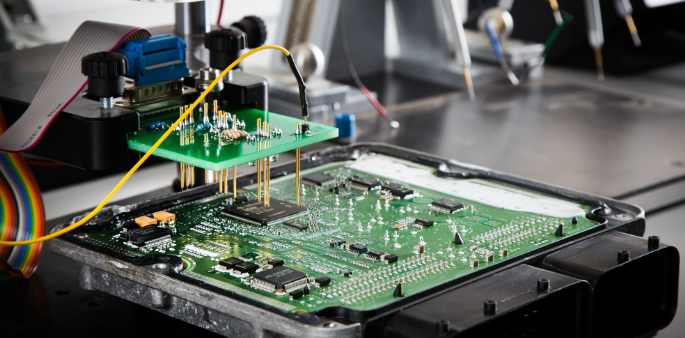
The ECU is the central brain of a modern vehicle, controlling various systems to ensure smooth and efficient operation. It constantly monitors data from sensors positioned throughout the vehicle, including the mass airflow sensor, oxygen sensor, throttle position sensor, and more. Based on this real-time data, the ECU adjusts engine parameters like fuel injection, ignition timing, and air-to-fuel ratios to maintain optimal performance under different driving conditions.
2. Understanding Engine Mapping
Engine mapping, also known as calibration, is the foundation of ECU tuning. It involves creating a detailed set of instructions, or a map, that dictates how the ECU responds to sensor inputs. The map comprises multiple tables containing numerical values that correspond to various engine parameters. These tables are organized based on factors like engine speed (RPM), throttle position, engine load, and temperature. Each cell of the table represents the desired setting for a specific combination of input parameters.
3. Data Logging and Analysis
Data logging plays a major role in the science of ECU tuning. To create an optimized engine map, tuners collect vast amounts of data while the vehicle is in operation. Sophisticated diagnostic tools, like OBD-II scanners, are used to record sensor readings, engine performance, and other relevant parameters during different driving scenarios. This data is then analyzed to identify areas where the engine's performance can be improved.
4. Modifying the Engine Map
With data analysis complete, the tuner can begin modifying the engine map. This is where the real science of ECU tuning comes into play. By adjusting the numerical values in the tables, the tuner can fine-tune the engine's behavior to achieve the desired outcomes. For example, increasing the fuel delivery at a specific RPM range can boost horsepower, while retarding ignition timing can reduce engine knock.
5. Different Tuning Approaches
ECU tuning can be approached in various ways, depending on the tuner's goals and the vehicle's characteristics. Some tuners prefer a conservative approach, focusing on maintaining engine reliability and adhering to emissions standards. Others may opt for more aggressive tuning to achieve maximum performance gains. Tuners must also consider factors such as the engine's hardware, modifications, and the desired driving experience.
6. Dyno Testing
Dyno testing is a critical step in the science of ECU tuning. It involves subjecting the vehicle to controlled tests on a dynamometer, which measures power output and performance. Dyno testing allows tuners to evaluate the effectiveness of their engine map modifications and make further adjustments if necessary. The dynamometer provides real-world simulations that help ensure the engine performs optimally under various conditions.
7. Fine-Tuning for Different Fuel Types
Many modern engines are designed to run on different fuel types, such as regular gasoline, premium gasoline, and ethanol blends. Tuners can create multiple engine maps tailored to different fuel types, allowing drivers to optimize performance based on fuel availability and cost. This versatility is a significant advantage of ECU tuning, as it improves flexibility and efficiency for drivers.
8. Customization for Vehicle Modifications
Vehicle modifications, such as aftermarket intakes, exhaust systems, and turbochargers, can greatly impact engine performance. ECU tuning allows tuners to customize the engine map to work with these modifications. By adapting the engine's behavior to suit the added hardware, the tuner can ensure that the vehicle performs optimally and achieves maximum gains from the upgrades.
9. Ethanol and Flex Fuel Tuning
ECU tuning is particularly valuable for vehicles running on ethanol-based fuels or flex fuels. These alternative fuels have different combustion characteristics than gasoline, and tuning the engine map accordingly allows for optimized performance and efficiency. Ethanol and flex fuel tuning are an example of how the science behind ECU tuning can adapt to modern environmental and fuel challenges.
10. Software and Firmware Updates
As vehicles evolve and new technologies emerge, ECU tuning remains a dynamic science. Manufacturers release software and firmware updates for ECUs to address performance issues, improve fuel efficiency, and implement new features. Professional tuners keep up with these updates and recalibrate engine maps to get the most from the latest developments in automotive technology.
Summary
The science behind ECU tuning is a blend of engineering expertise, data analysis, and computer programming. By customizing engine maps to suit specific vehicle characteristics and driver preferences, tuners unlock the hidden potential of modern engines, leading to improved performance, fuel efficiency, and drivability. It is a field where scientific knowledge meets automotive innovation, and drivers get to experience their vehicles at a whole new level. As technology continues to progress, the science of ECU tuning will play a growing role in shaping the future of automotive performance and sustainability.
Related Courses
ECU Tuning & Remap – Master Performance
Rated 4.7/5. Webinar with certificate. ₹59,000.

ECM Repair Course – Diagnostics Training
Rated 4.7/5. Webinar with certificate. ₹59,000.

Ecu Tuning & Remap Online – Advanced
Rated 4.7/5. Webinar with certificate. ₹19,999.

Ecu Tuning & Remap Online – Basic
Rated 4.7/5. Webinar with certificate. ₹4,999.